
Phil here (Founding Author of Fat Loss Quest.co.uk) with an important release on the role of fats in our diet. We have long been told that fats are bad for our health.
In a detailed video revelation from investigative journalist Nina Teicholtz we learn about the underhand practices of big pharma, health institutions and the various governments and the lies they have told us about fats.
Essential Fatty Acids and Saturated Fats : Important Update. In a recent revelation, investigative journalist Nina Teicholtz uncovered some shocking insights into fats and the weight loss industry. Nina’s revelations in “The Big Fat Surprise” reveals the shocking truth behind the health industry – the cover up’s over the truth about fats from Doctors and the health profession in general. Firstly, lets quickly talk about what essential fatty acids are and how they are needed by the body.
How Can Essential Fats be Good?
Athletes and nutritionists have long known that omega-3 and omega-6 fatty acids are beneficial. However, most of them have been massively avoided by many of us due to the fact that they are basically fat – the death knoll of the diet. This is where the so called health professionals have lied to us…
What Are Essential Fatty Acids?
Essential fats (E.F.As) are a special class of fats generally known as “good fat.” They are also referred to as essential nutrients and sometimes called vitamin F. These essential nutrients play crucial roles in life. These fatty acids make hormones that regulate the immune system and central nervous system and include : linoleic acid (LA) (an omega-6 fatty acid), and alpha-linolenic acid (ALA). Alpha Linoleic Acid is an omega-3 fatty acid.
Essential fats need to be supplied by the food we eat because the body is unable to create them itself.
Essential Fats Function
They are vital for optimal health. Studies suggest omega-3 fatty acids may also help prevent bowel disease, asthma, and some mental health conditions.

Moreover, essential fatty acids functions include (and not limited to) :-
- increasing the absorption of vitamins and minerals
- nourish the skin, hair, and nails
- promoting good nerve function
- help in the production of hormones
- ensure healthy growth and development
- prevent and treat diseases among others
- improve overall health
Fats are divided into two groups- saturated and unsaturated (depending on their chemical composition). Unsaturated fatty acids are divided into three types; omega-3, omega-6, and omega-9.
The omega-6 and omega-3s are known to be essential while omega-9s are non-essential; this is because the body can produce omega-9s from other fatty acids. Unsaturated fatty acids are further classified as monounsaturated or polyunsaturated. Essential fatty acids (EFAs) are …. polyunsaturated.
These include:
- The omega-6 fatty acid, linoleic acid (LA) and its derivatives, gamma-linolenic acid (GLA) and arachidonic acid (AA)
- The omega-3 fatty acid alpha-linolenic acid (ALA) and its derivatives, eicosapentaenoic acid (EPA) and docosahexaenoic acid (DHA).
Studies have shown that only linoleic acid (LA) and alpha-linoleic acid (ALA) are essential. However, the fatty acids which are obtained from them are also considered to be essential.
“Essential Fatty Acids are needed for the proper structure and functioning of all the cells in the body“.
Athletes and nutritionists have long known that omega-3 and omega-6 fatty acids are beneficial. However, most of them have been massively avoided by many of us due to the fact that they are basically fat – the death knoll of the diet. This is where the so called health professionals have lied to us…
Among other known fats, Omega 3 and Omega 6 fatty acids are scientifically known as Essential Fatty Acids (EFAs). There is no debating this reason, and the fact remains that they are essential (nutritionists and other medical professionals are in universal agreement).
They are considered essential because they are urgently needed by all living cells in the body and are not produced by the body. It is our responsibility to provide them with the food that we consume on a daily basis!
Making the balance between omega 3 and omega 6 in our diet is absolutely necessary. Not only if weight loss is on the agenda (here are 12 reasons to lose weight), but also to help our body function properly and prevent a range of diseases such as hypertension, low immune system, dry skin, hair and nails, poor digestion and low energy.
We should not avoid all fats like the plague if we want to be lean and healthy. But it’s quite obvious that many of us wonder why these fatty acids are essential in our weight loss plan, not to mention our overall health and fitness.

Among many other things, essential fats help to:
- Lose Weight Naturally. Essential fatty acids (EFA’s) contribute to weight loss, and continue with this process by behaving like hormones that increase the ability of the body to burn fat. They also reduce the fat it produces for its protection. These are fats that hang around body organs (viceral fat) and sits around our waists or abdomens (subcutaneous fat).
- Remove Your Body’s need for Appetite Supplements.
- Reduce Blood Sugar Fluctuations. EFA’s control the rate at which fat is produced, craving for food and loss of energy attributed to carbohydrates and sugars.
- Reduce Inflammation in the Body. EFA’s assist in reducing inflammation in body tissues.
- Increase Energy Levels. EFA’sincrease the body’s energy levels during the day allowing you to live a fuller life :- going to the gym, playing with the children, enjoying days out, be more productive at work or taking an extra lap of the pool!
- Escalate Brain Stimulation. Research shows that, as with Magnesium, EFA’s help to improve cognitive function, create happier moods and alleviate depression. Elevated, positive moods reduce our cravings for crisps and other processed sugar based foods. Additionally, the brain contains (and needs) a high fat content for it to work. A high fat diet has been proven over the last 100 years to improve mental health and reduce epilepsy (the keto diet is living proof that fats can heal the body and improve mental health).
- Reduce Fluid Retention. Essential fats help reduce fluid retention in the body resulting in natural weight loss / weight management by initiating the removal of water unnecessarily retained in other parts of the body. This reduced fluid retention can have a vivid visual impact on our ability to lose weight naturally.
Any of these benefits to consuming more essential fats also form part of your 12 reasons to lose weight
How Essential Fatty Acids (EFA’s) Affect Weight Loss and Energy in the Body
It is important to note that not all fats are dangerous to the body! Although there should be a reduction in the rate you consume certain saturated and Trans fats. Unsaturated fats (including the polyunsaturated omega-3 and omega-6 fats) and monounsaturated fats (omega-9 fats) are healthy when taken in amounts that work with the body’s fat requirements to produce a healthy neurological and physiological balance.
Incorporating at least a small amount of these fats in a low-calorie diet can assist in making your meals more satisfying and enhance your weight loss goal. This small transition can lead to you naturally reducing your carbohydrate intake and especially those nasty highly processed meals loaded with bad carbs and sugars – a healthy low-carb diet that is tasty and satisfying – increased satiety……
Essential Fatty Acids and Satiety
Consuming a high quantity of omega-3 fats in your diet can increase your feelings of fullness, thereby reducing your ‘hunger pangs and cravings’ enhancing your weight loss and ability keep it off (based on a study published in Appetite in November 2008). According to a review article published in Nutrients in 2010, it was revealed that Omega-3 fats could contribute to weight loss by reducing appetite and increasing fat burning – especially when combined with low-calorie diet and exercise. Now, that was back in 2010 and nutritional research has provided some interesting results since then.
Reducing Water Retention with the Right Fatty Acids
Water retention can be a big problem for all of us -especially if we are trying to lose weight.
In the event that you are trying to lose weight, the best thing could be reducing your consumption of omega-6. Omega-6 can make you retain water. By preventing the unnecessary water retention, your body’s physiological processes and the cellular transition process will become more efficient. This will then prevent cellular growth (and weight gain) through water retention. This very process has led to the rising popularity of the Keto Diet (the first week in the keto diet activates the physiological processes that remove excess water retention).
All you need to do is to target 3-1 omega-6 ratio to omega-3 fats, as recommended by Unity Health System. These fats should represent between 5 and 10% of the total calorie intake for that day.
Omega-9 fats are monounsaturated fatty acids. According to a study published in The American Journal of Clinical Nutrition in February 2004, a diet low in monounsaturated fat can help you lose the same weight as a low-fat diet while at the same time reducing the risk of heart disease.
Dairy Fats! The BIG Question…
..Is Low-Fat or Full Fat the Better Choice for Dairy Products?
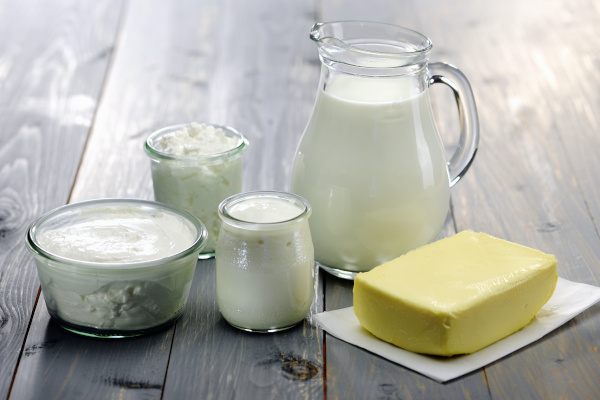
Fat has received a number of criticisms since the eighties, and low-fat or fat-free products became a dietary staple. However, much research has been conducted over the years. Presently, some nutritionists agree that dietary fats should have their place at the table. Milk from organic grass fed cows is known to have higher quantities of healthy fats like conjugated linoleic acid (CLA) and omega-3 fatty acids compared with grain fed cows.
Healthy fats, including those that are present in olive oil, nuts, seeds, and avocados, can assist the body in absorbing essential nutrients and contribute to overall health. But the question is; does the same apply when it comes to dairy products?
A host of other questions were asked;
“Is it the time to consider low-fat and skim milk for whole milk and cheese?” “Which is the best, whole milk or low-fat milk?”
In the light of recent evidence and research the answer is YES.. And on a personal note – I never liked the idea of skimmed or semi skimmed (semi-skilled as I call it) milk and always stuck to the fuller bodied and flavoured full fat milk.
However, according to to Dr. Frank Hu, The Fredrick J. Stare Professor of Nutrition and Epidemiology at the Harvard T.H. Chan School of Public Health. “The evidence doesn’t support that.”
What are The Types of Fat That You Should Consider?
One of the main reasons why they say you cannot eat fatty milk products with “abandon” is that, unlike the so-called healthy monounsaturated and polyunsaturated fatty acids found in olive oil, oily fish and nuts, dairy products mostly contain saturated fats which can contribute to the risk of heart disease (according to some health professionals). Saturated fats come in a variety of formats/ compositions.
However, it has been proven that saturated fats ARE indeed good for you
Some saturated fats are good for you – HDL Cholesterol can actually reduce heart complaints and helps to cleanse, rebuild and maintain the blood vessels. Healthy Saturated fats are also needed for brain function.
“But that does not indicate that you cannot enjoy a glass of whole milk, cream or rich cheese from time to time”, says Dr. Hu. “What is important is moderation”.
As a rule, do not consume more than 20 grams of saturated fat per day for an average 2,000 calorie diet, says Dr. Hu.
He stressed that “That’s actually a lot when you consider that one cup of whole milk has 4.5 grams of saturated fat.”
Even then, this does not permit you to plug away three or four glasses a day or return to the diet of the 1950s and 60s which are full of butter and red meat.
Some believe that it is not a good idea to eat a lot of full-fat dairies says Dr, Hu. “All you need to do is work towards balance by choosing a combination of low-fat and full-fat options. This could be one glass of 1% or skimmed milk combined with full-fat yogurt.”
Conclusion…..
While there are many discussions over the inclusion, it has been proven by a variety of Doctors and Medical Researchers that saturated fats ARE indeed good for you. Not just to improve overall health, but with more specific benefits :
Heart Health: Essential Fats play important roles in heart and cardiovascular health. Re-knowned Dr. Stephen Gundry conducted numerous studies into heart healthy diets for his cardiovascular patients. Saturated and essential fats were found to be highly beneficial for heart health. Other, unconnected clinical studies revealed a diet rich in saturated fats improved gut health and immunity. A correlation between these studies revealed the patients being treated seperately for immunity and cardiovascular health issues with a high-fat diet ALSO lost weight.
As Dr. Hu states :
“It is often advisable to focus on healthy eating overall, rather than thinking one nutrient such as saturated fats”.
“The problem is that often when people have cheese, a burger stands under it,” he says. “Or the cheese they eat is at the top of a pepperoni pizza. Also, there are times when people focus on fat reduction and begin to consume more refined carbohydrates and sugar, which can create their health risks”, says Dr. Hu……
……”More importantly it is the bread the burger sits in that causes most of the problems!”
A science backed philosophy proven by fat loss expert Mike Geary in the Fat Burning Kitchen and Craig Ballantyne (renowned author and prolific write in numerous health magazines including “Mens Health”.

Refined carbohydrates and sugars are typically found in wheat based products : cakes, pasties, pastries, bread etc. Processed sugars are found in virtually every single item of pre-made packaged food. Food manufacturers use sugar in their products to enhance the flavour knowing it is also addictive.
Low fat products are typically ‘bland’ in flavour and so manufacturers will add sugar (in some form) to improve the flavour. Have you ever noticed that full fat foods taste better and increase satiety?
And here lies the real problem fuelling the debate behind full-fat or low-fat produce. More importantly – the food it is eaten with or as part of a balanced diet!!
We NEED a balanced diet rich in vitamins, minerals, essential fatty acids, proteins and some “clean carbohydrates” sourced from : meat, poultry, fish, low sugar fruits, low starch vegetables, quality oils, seeds and nuts. And avoid the poor nutrition from wheat based products (bread, cakes, pastries, pasties, wheat based cereals) while reducing our sugar intake (sugar is another form of carbohydrate).
Cholesterol.
While people and especially health professionals complain about high cholesterol levels, it has also been shown that cholesterol is an important fat that is used to build healthy cells and heal the arteries / veins. A healthy, balanced diet rich in micronutrients can improve vein health and reduce the cholesterol build up that causes arterial plaque (excess cholesterol build up in the arteries). Indeed, I have know for years that leafy green vegetables can help to reduce the cholesterol levels and keep your arteries relatively clear of cholesterol build up.
For further information on this ‘debate’,: