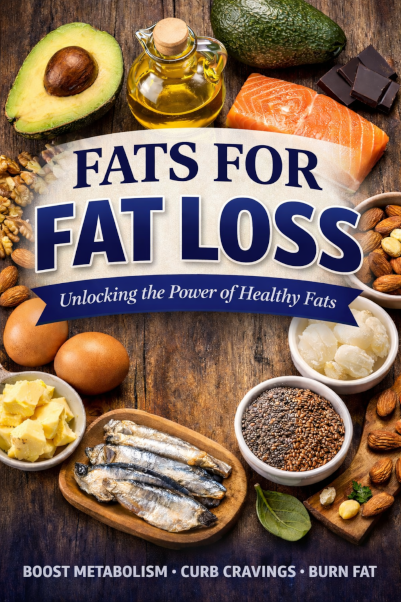

Hi, Phil here, founding author with another important message concerning your health and weight loss – fats for fat loss!
Most people trying to lose weight (or just trying to improve overall health) make the same mistake.
They reduce their intake of these essential fatty acids and related lipids.
Throughout my life, I have consumed a variety of fats (lipids) on a daily basis. Wether they be saturated fats from dairy and meat, nuts or vegetables, monounsaturated fats, omega-3 fatty acids form fatty fish (Mackerel, Salmon, Herring etc) have been a solid aspect of my diet for many decades. The only dietary health issue I suffered was through marriage and the inevitable high carb diets we tend to survive on (mentioned in my 27yr blueprint following my own weight loss journey after divorce). Hence why I strongly urge you to read this post in its entirety and start considering the validity of fats for fat loss.
For years we’ve been told that eating fat (lipids) leads to excess adipose tissue causing weight gain. But modern research — and real-world results — show something very different.
The right lipids don’t make you gain weight.
In many cases, they help your body metabolise the excess glucose consumed (and stored in your adipocytes) more efficiently.
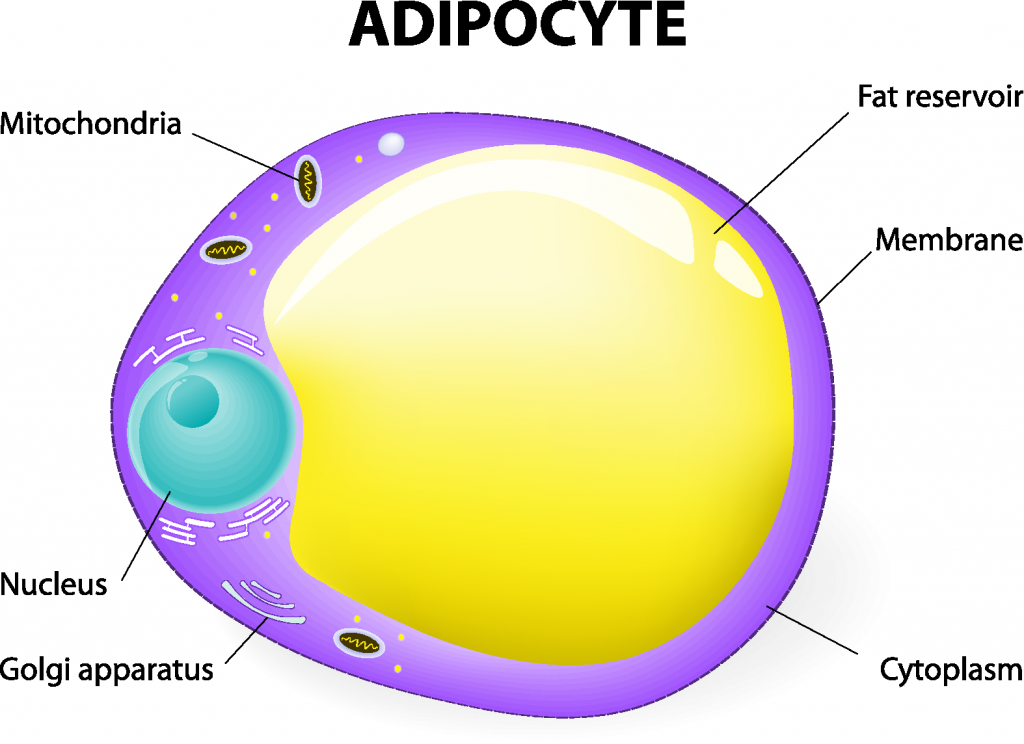
Adipocytes store excess glucose as lipids for use at a later date. Consuming essential fats instead of excess carbs increases satiety and also contributes to increased metabolism of glucose and the stored fats.
Why Fats Matter for Weight Loss
Essential fatty acids, monounsaturated fats and saturated fats plays a key role in:
- hormone production
- energy regulation
- nutrient absorption
- satiety (feeling full)
Essential fatty acids slow digestion and help stabilise blood sugar levels. This reduces cravings and makes it easier to maintain a calorie deficit without constant hunger.
This is one of the key reasons why weight management with healthy fats is gaining attention.
The Link Between Fat Intake and Fat Burning
Your body can run on two main fuel sources:
- carbohydrates
- lipids / essential fatty acids/ saturated fats
When your diet constantly supplies high levels of refined carbohydrates, your body becomes reliant on glucose. Any excess carbs are stored as glycogen (glucose) in your adipose tissue contributing to inflammation and weight gain.
But when you introduce health giving essential fatty acids and reduce processed carbs, your body can begin to shift toward fat metabolism.
This process is often referred to as:
👉 metabolic flexibility
And it’s a core principle behind sustainable fat loss.
Best Sources of Healthy Fats
Not all lipids are equal.
The goal is to focus on nutrient-dense, minimally processed food sources.
Examples include:
- olive oil
- avocados
- nuts and seeds
- fatty fish (salmon, mackerel)
- eggs (especially yolks)
- grass-fed butter
- grass fed beef (or other red meat)
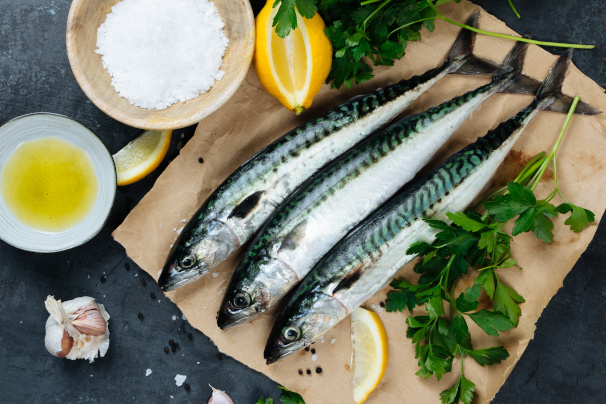
Fats for Fat Loss?
Fish like Mackerel are an excellent source of essential nutrients including Omega-3 fatty acid which actively contributes to your fat burning potential while also reducing inflammation (another leading cause of weight gain).
These foods provide essential fatty acids and support overall metabolic health.
Essential Fatty Acids, Hormones, and Energy Levels
Essential fatty acids also play a role in hormone balance.
For men in particular, dietary lipids supports:
- testosterone production
- energy levels
- recovery and performance
Low-fat diets can sometimes lead to:
- reduced energy
- increased hunger
- poor adherence
This is why including saturated fats / essential fatty acids / mono-unsaturated lipids can improve long-term weight management.
Common Myth: “Eating Fat Makes You Fat“
Weight gain is not caused by fat intake alone.
Weight gain typically results from:
- excess calories
- inflammation
- high refined carbohydrate intake
- low activity levels
- poor nutritional choices
In fact, diets that include healthy fats often lead to:
- improved satiety
- reduced calorie intake
- better adherence
Which are all critical for fat loss.
How to Use Fats for Fat Loss
To use lipids effectively:
- reduce refined carbohydrates
- prioritise whole foods
- include saturated, mono-unsaturated or essential fatty acids in each meal
- combine with regular physical activity
This approach aligns with the principles of the 27-Year Blueprint, where sustainable dietary changes support long-term results.
To Learn more on this subject to improve your overall health and weight loss, get the Free Guide…..